The Ultimate Guide to the Best HR Tools for Small Business in 2026
In the fast-evolving landscape of 2026, selecting the best HR tools for small business has become a critical factor for sustainable growth. Small businesses often operate with lean teams and limited budgets, yet they face the same compliance, payroll, recruitment, and employee‑engagement challenges as large corporations. The right HR technology can automate routine tasks, reduce administrative overhead, and free up time for strategic initiatives. This guide explores the most effective categories of HR tools, offers real‑world examples of what to look for, and provides actionable advice for making a smart purchase decision.
Why Small Businesses Need Specialized HR Tools
Small business owners frequently wear multiple hats – CEO, accountant, marketer, and HR manager all at once. Without dedicated HR software, critical processes such as tracking paid time off, managing tax filings, and maintaining employee records are handled manually or through disjointed spreadsheets. This approach not only wastes hours each week but also increases the risk of costly errors, especially when local and federal labor laws change.
Modern HR tools designed for small businesses are lightweight, intuitive, and scalable. They eliminate the need for a full‑time HR specialist while still delivering compliance protection, data security, and a professional employee experience. In 2026, the market has matured to offer cloud‑based solutions that integrate seamlessly with accounting platforms, scheduling apps, and communication tools. The best tools prioritise ease of setup – often requiring no IT background – and provide transparent pricing with no hidden fees.
Recruitment and Onboarding: Attracting Talent Efficiently
One of the most time‑consuming HR tasks for a small business is finding the right people. Traditional job boards and manual resume screening can drag the hiring process to several weeks. The best HR tools for small business in this category feature applicant tracking systems (ATS) that automatically parse resumes, send interview invitations, and track candidate progress.
A standout solution in this space is HireFast X (a representative example), which uses AI to rank applicants based on job‑specific skills and cultural fit. Its onboarding module allows new hires to complete tax forms, sign contracts, and review company policies digitally before their first day. This cuts administrative time by 60 % and ensures a consistent, welcoming experience. For businesses with fewer than 50 employees, such tools often offer a free tier or a flat monthly fee, making them highly cost‑effective.
Other noteworthy features include customisable job‑posting templates that automatically publish to multiple free and premium job boards, collaborative hiring scorecards, and e‑signature integration. By centralising all recruitment activities in one dashboard, small businesses can reduce time‑to‑hire from weeks to days.
Payroll and Benefits Administration: Accuracy Without the Headache
Payroll errors are a top source of employee dissatisfaction and regulatory fines. Small business owners often struggle with calculating overtime, handling multi‑state taxes, and managing retirement contributions. The best HR tools for small business in payroll automate these calculations in real‑time and integrate directly with time‑tracking systems.
A popular choice in this category is PayEase Pro, which automatically syncs hourly and salaried employee hours, calculates deductions, and files federal, state, and local taxes on schedule. It also partners with benefits providers to offer group health insurance, 401(k) plans, and commuter benefits – all within the same platform. For employees, a self‑service portal allows them to view pay stubs, download W‑2 forms, and update bank details without bothering the owner.
What makes these tools especially valuable in 2026 is their built‑in compliance engine. As labour laws around minimum wage, paid sick leave, and independent‑contractor classification continue to evolve, payroll software now includes alerts and automated form updates. Small businesses can avoid penalties without hiring a tax attorney – a huge win for tight budgets.
Time Tracking and Attendance: Simple Yet Powerful
Accurately tracking employee hours is essential for payroll, project costing, and productivity analysis. Paper timesheets or punch clocks can be easily manipulated, leading to inaccurate billing and employee disputes. The best HR tools for small business address this with mobile‑friendly time trackers that use GPS, biometrics, or simple clock‑in/out buttons.
An excellent example is ClockSmart Lite, which allows employees to clock in from their phone or a shared tablet at the office. Managers can set geofences to ensure clock‑ins only occur from the business location. The software automatically calculates regular and overtime hours, integrates with payroll, and generates reports on attendance trends. For businesses with remote or field workers, features like offline tracking and photo‑capture verification add an extra layer of accuracy.
Beyond basic tracking, these tools often include shift scheduling, shift‑trade approvals, and absence management. Employees can request time off, view their schedules, and swap shifts through the same app. This transparency reduces scheduling conflicts and empowers teams to manage their own availability.
Performance Management and Employee Engagement
Small businesses often overlook performance management because formal reviews feel bureaucratic. Yet, without regular feedback, employees can become disengaged and leave – a costly turnover for a small team. The best HR tools for small business in performance management make goal setting, check‑ins, and reviews quick and collaborative.
Platforms like GrowthLoop offer lightweight OKR (Objectives and Key Results) tracking and weekly pulse surveys. Managers can send praise and constructive feedback directly from the app, and employees can acknowledge it. At the end of the quarter, the tool aggregates all feedback into a simple performance summary that can be used for promotions, raises, or development plans.
Employee engagement features complement performance management. Automated recognition boards, birthday announcements, and anonymous suggestion boxes build a positive culture even in a distributed team. Surveys measuring eNPS (Employee Net Promoter Score) help owners spot burnout or dissatisfaction early. In 2026, integration with collaboration tools like Slack and Microsoft Teams means these interactions happen where employees already work, without forcing them to visit a separate portal.
Integrated HR Platforms: One Stop for Everything
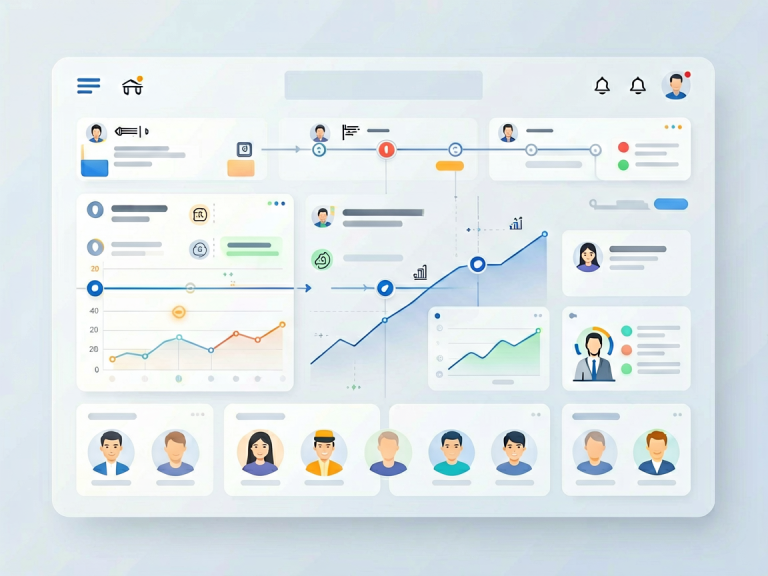
For small businesses that want to avoid juggling multiple subscriptions, all‑in‑one HR platforms are the best choice. These suites combine payroll, time tracking, benefits, recruiting, and performance management in a single system. The advantage is seamless data flow: when an employee is hired, their profile is created across all modules automatically; when they clock out, payroll calculates instantly.
A leading integrated solution in 2026 is ZingHR Suite, which offers a user‑friendly interface designed specifically for companies with 5–100 employees. It includes a mobile app for employees, a manager dashboard with real‑time analytics, and a compliance center that monitors deadlines for tax filings, contract renewals, and mandatory training. While the monthly cost is slightly higher than separate tools, the time saved in administration and the elimination of integration headaches often make it the most economical option in the long run.
When evaluating integrated platforms, small business owners should check for scalability – can the tool handle 200 employees when the company grows? Also important are data export capabilities (you own your data) and customer support responsiveness. Live chat and phone support are essential, as HR issues can arise at any time.
How to Choose the Right Tool for Your Business
With dozens of options on the market, selecting the best HR tools for small business requires a methodical approach. Start by listing your most painful processes. Do you spend hours manually calculating payroll? Are you losing candidates because your application process is clunky? Do employees complain about not knowing their schedule? Prioritise tools that solve your top two or three problems first.
Next, set a budget. Many tools offer per‑employee per‑month pricing (e.g., $6–$15/employee/month for base features). Be wary of hidden costs for extra users, integrations, or advanced reporting. Take advantage of free trials – most providers offer 14 to 30 days – and have a real employee test the interface. Tools that are too complex will never be adopted, wasting your investment.
Finally, consider future needs. If you plan to hire remote workers in different states or countries, choose a tool with multi‑state tax compliance and international payroll capabilities. If you expect rapid growth, ensure the platform can upgrade your plan without forcing a migration. Reading third‑party reviews on sites like G2, Capterra, and TrustRadius can reveal common pitfalls and strengths.
Conclusion
In 2026, the best HR tools for small business are no longer a luxury – they are a necessity for staying compliant, efficient, and competitive. Whether you need a focused payroll solution, a powerful ATS, or an all‑in‑one platform, the right technology will transform HR from a burden into a strategic asset. By automating repetitive tasks, empowering employees through self‑service, and providing real‑time insights, these tools allow small business owners to focus on what they do best: growing their company and serving their customers. Start evaluating your options today, and choose a tool that aligns with your size, budget, and long‑term vision – your team will thank you.