The Ultimate Guide to the Best Productivity Apps for Remote Teams in 2026
Body:
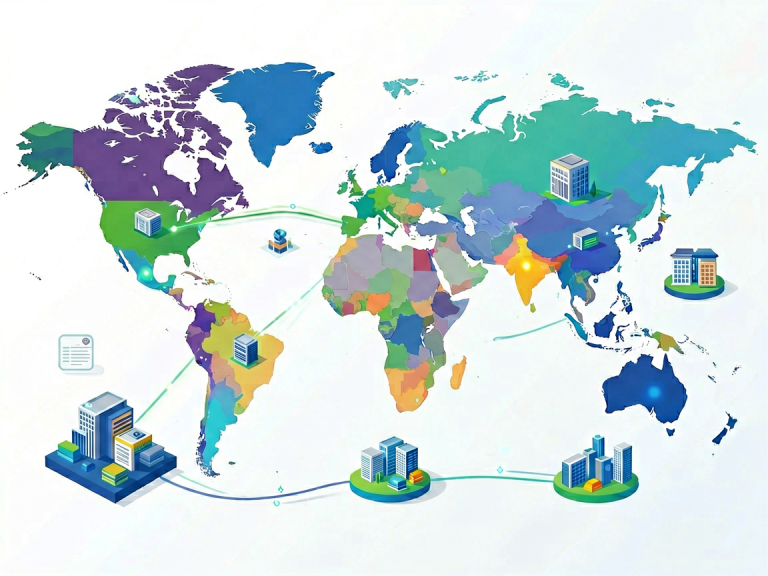
Finding the best productivity apps for remote teams in 2026 is no longer just about checking boxes for messaging, file sharing, or task management. With the maturation of hybrid work models, artificial intelligence integration, and a global shift toward asynchronous collaboration, the tools that truly empower distributed teams must do more—they must reduce friction, respect time zones, and enable deep focus without constant notifications. After testing and analyzing dozens of platforms, here is a curated, category-based breakdown of the applications that stand out this year.
—
Communication and Asynchronous Messaging
Real-time chat remains the backbone of remote teamwork, but the best tools in 2026 have evolved to combat the tyranny of instant replies. Slack still dominates, but its latest update introduces “Focus Mode,” which intelligently bundles notifications based on your calendar and past work patterns. Coupled with native AI summarization of long threads, Slack now helps teams stay aligned without drowning in pings. For teams that prioritize deep work, Twist offers a threaded, topic-based approach that discourages the constant scrolling of channel-based chat. Its “Do Not Disturb by Default” setting is a subtle but powerful shift in remote culture. Meanwhile, Mattermost remains the go-to for security-conscious organizations that require self-hosted solutions, and it now ships with built-in workflow automation for incident response—a critical feature for DevOps teams spread across continents.
—
Project and Task Management
The days of one-size-fits-all project tools are over. In 2026, the best productivity apps for remote teams recognize that different workflows demand different structures. Notion continues to blur the line between a wiki, a database, and a project board. Its newest AI assist can automatically generate sprint retrospectives from action items and suggest dependencies across projects—a lifesaver for teams with rotating members. For those who crave visual clarity, Linear remains the top choice for engineering teams. Its speed and keyboard-first design make it a joy to use, and the recent “Objective Mapping” feature ties every task directly to quarterly goals, giving remote workers a clear sense of purpose. Asana has also made strides: its “Unified Timeline” now forecasts bottlenecks by analyzing historical velocity data, and the “Async Reviews” module lets team members leave feedback on tasks without scheduling a meeting.
For simplicity, Trello still works wonders for smaller teams or personal Kanban boards, especially after introducing “Smart Labels” that automatically reorder cards based on priority keywords. However, for any team larger than 20 people, ClickUp is a powerhouse. Its customizable dashboards can pull data from Slack, Google Calendar, and even GitHub, creating a single source of truth that reduces the need to jump between apps.
—
Document Collaboration and Knowledge Management
Remote teams often suffer from information silos. The best productivity apps for remote teams in 2026 solve this by making every document searchable, updateable, and connected. Google Workspace remains the standard for real-time co‑editing, but its real news this year is “Gemini for Workspace,” an AI that can draft meeting agendas from conversation history and automatically translate documents for multilingual teams. Coda offers a refreshing alternative for teams that want to combine docs with spreadsheets and databases. Its new “Pack AI” can summarize your team’s weekly updates into a single dashboard, flagging gaps in progress. For heavy technical documentation, Notion (again) shines, especially with its recently improved “Wiki” mode that allows nested subpages and automatic table of contents generation.
One underrated tool is Slab, which focuses on long-form knowledge bases with a clean, distraction-free editor. Its “Ask Slab” feature acts like an internal search engine that understands intent, not just keywords—perfect for onboarding new hires in a fully remote environment.
—
Time Management and Focus
Productivity isn’t just about getting tasks done; it’s about managing energy across time zones. Clockwise has become essential for remote teams that suffer from calendar fragmentation. Its “Focus Time” protection now adapts to your personal circadian rhythm, blocking out deep work slots at the hours you’re most effective—even if they fall outside standard business hours. RescueTime remains the gold standard for personal analytics, but its 2026 version includes a “Team Pulse” dashboard that shows aggregate focus scores without revealing individual data, helping managers identify when the team is overwhelmed.
For asynchronous stand-up meetings, Geekbot is a quiet hero. It pings each team member via Slack with three simple questions and compiles responses into a shareable report—no synchronous check-in required. The AI now detects “red flag” language (e.g., “blocked,” “waiting for input”) and automatically escalates those items to the project manager.
—
Video, Voice, and Asynchronous Recording
Remote meetings are the single biggest productivity killer. That’s why the best productivity apps for remote teams in 2026 prioritize asynchronous alternatives. Loom allows users to record their screen and webcam simultaneously, and its latest update adds automatic transcript generation with timestamps, making it easy to jump to the exact moment a decision was shared. Scribe goes a step further: it watches you perform a task (like setting up a new server) and automatically generates a step-by-step guide with screenshots—ideal for remote knowledge transfer.
For live meetings, Zoom still holds the crown, but its “Zoom AI Companion” now attends meetings on your behalf when you’re focused on deep work, summarizing key decisions and action items for you to review later. Otter.ai integrates with Zoom to generate real-time captions and searchable notes, which is invaluable for teams where English is not everyone’s first language.
One emerging star is Riverside.fm, originally built for podcasters but now adopted by remote teams for high-quality, asynchronous video interviews and team updates. Its automatic local recording eliminates lag, and the separate audio/video tracks make editing a breeze.
—
Integration, Automation, and the Glue That Holds It All Together
No app lives in isolation. The best productivity apps for remote teams are those that play well together. Zapier remains the king of no-code automation, connecting over 5,000 apps without writing a line of code. Its 2026 “Pathfinder” feature suggests entire workflows based on your team’s most common patterns—like automatically creating a Trello card when a Slack message contains the word “action item.” For teams that prefer a more visual interface, Make (formerly Integromat) offers complex logic and error handling that Zapier lacks.
But the true dark horse is N8N, an open-source alternative that gives teams full control over their data and workflows. It’s not the easiest to set up, but for organizations that need to comply with GDPR or other data sovereignty regulations, N8N is a game-changer. Pair it with Linear and Slack, and you have a stack that rivals any enterprise solution.
—
Security and Privacy Considerations
A final, essential layer: remote teams handle sensitive data across dozens of apps. Without proper governance, productivity gains come at the cost of security. 1Password introduced “Passkeys Everywhere” in 2026, eliminating the need for shared passwords on team accounts. NordLocker offers end-to-end encrypted file sharing that integrates directly with Google Drive and Dropbox. For video content, Kaltura provides enterprise-grade security with granular permission controls—ideal for teams that record training sessions or investor presentations.
—
Conclusion
In 2026, the best productivity apps for remote teams are not the ones with the most features, but the ones that respect time, reduce cognitive load, and foster genuine connection without demanding constant availability. Whether you choose the heavyweights like Slack, Notion, and Linear, or niche tools like Twist, Clockwise, and Scribe, the key is to build a stack that aligns with your team’s culture—not the other way around. Start with one pain point (meeting overload, documentation gaps, task drift), pick the right app for that problem, and iterate. Your remote team will thank you—with deeper focus, better output, and a more sustainable work rhythm.