The Ultimate Guide to the Best SEO Tools for Building Topic Clusters
The best SEO tools for building topic clusters are essential for modern content strategy, as they help you organize, research, and optimize content around core pillars and supporting subtopics. Topic clusters have replaced the old keyword-stuffing approach by creating interconnected, authoritative content that search engines love. But without the right tools, building clusters can feel like assembling a puzzle blindfolded. Below, I’ll walk you through the most effective tools—from research to content creation to performance tracking—that will turn your topic cluster strategy into a well-oiled machine.
Why Topic Clusters Matter Before We Dive Into Tools
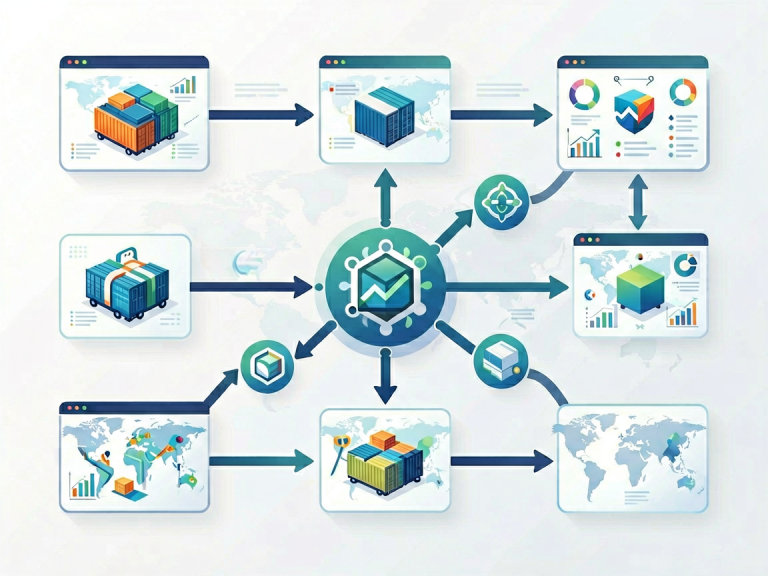
Search engines like Google now prioritize topical authority over isolated keywords. A topic cluster consists of a comprehensive “pillar” page that covers a broad subject (e.g., “Content Marketing”) and multiple “cluster” pages that dive into specific subtopics (e.g., “How to Write a Blog Post,” “SEO for Content Marketing”). These pages link to each other, signaling relevance and depth. The right tools help you identify which subtopics to target, how to structure internal links, and whether your content is meeting user intent. Without them, you risk creating orphaned pages or competing against yourself.
1. Ahrefs: The Swiss Army Knife for Cluster Research
Ahrefs is arguably the most comprehensive tool for discovering topic cluster opportunities. Its Site Explorer allows you to analyze a competitor’s entire content architecture, revealing which pillar pages drive the most traffic and which subtopics they’ve covered. You can then use the Keywords Explorer to filter for “parent topic” suggestions—a feature that groups related keywords under a common theme. For example, searching “content marketing” shows hundreds of subtopics like “content marketing strategy,” “content marketing tools,” and “B2B content marketing,” each with search volume and difficulty scores.
The Content Gap tool is especially powerful for cluster building: enter your domain plus up to three competitors, and Ahrefs will show you keywords that competitors rank for but you don’t. These are ready-made cluster topics. For internal linking, the Site Audit tool helps you detect broken links and orphaned pages, ensuring your cluster’s linking structure stays clean. The downside? Ahrefs is expensive (starting around $99/month), but for serious SEO teams, the ROI is undeniable.
2. Semrush: All-in-One Cluster Planning and Execution
Semrush offers a dedicated Topic Research tool that generates content ideas based on a seed keyword, complete with subtopic cards, headlines, and questions people ask. Its Keyword Magic Tool allows you to group keywords into “clusters” using filters like “broad match” or “phrase match,” then export them for content planning. A standout feature is the SEO Content Template, which analyzes the top 10 search results for a given keyword and provides a list of recommended terms, readability scores, and related questions to include—perfect for ensuring a cluster page covers everything a user needs.
For tracking cluster performance, Semrush’s Position Tracking lets you set up custom tags per cluster. You can monitor how your pillar and cluster pages rank collectively for their targeted terms. The tool also integrates with Google Search Console, so you can see which subtopics are gaining impressions. One limitation is that the Topic Research tool’s data can feel overwhelming; you may need to manually filter out low-relevance suggestions. Pricing starts at $129.95/month, but the value for cluster management is top-tier.
3. MarketMuse: AI-Driven Cluster Strategy for Enterprise
MarketMuse is an AI-powered platform designed specifically for building topical authority. It uses machine learning to analyze your entire domain against competitors, then suggests a Content Optimization Score for each page. The Clusters feature automatically groups your existing content into logical silos and identifies gaps where you need new pages. For instance, if your site has strong articles on “on-page SEO” and “technical SEO” but nothing on “SEO strategy,” MarketMuse will flag that missing piece and even recommend a target word count and entities to include.
The Brief Generator creates detailed outlines for cluster content, listing questions, terms, and references that the top-ranking pages use. This ensures your new pages are comprehensive enough to outrank competitors. The major drawback is cost: MarketMuse starts at several thousand dollars per year, making it out of reach for small businesses. But for agencies and large publishers managing dozens of clusters, it saves countless hours of manual research.
4. Surfer SEO: Precision On-Page Optimization for Cluster Pages
While Surfer SEO is primarily an on-page optimizer, it shines when applied to topic clusters. Its Content Editor provides real-time recommendations for keywords, headings, word count, and image count based on the top 20 search results for your target term. When building a cluster page, you can open multiple editor tabs simultaneously—one for the pillar, one for each subtopic—and ensure they don’t cannibalize each other. Surfer’s Cluster Analysis feature (available in higher-tier plans) maps out how your pages relate to one another and suggests internal linking opportunities.
For example, if your pillar page is “Digital Marketing Guide” and you’re writing a cluster page on “Email Marketing,” Surfer will tell you to include a link back to the pillar using specific anchor text that appears in competing articles. It also integrates with Google Docs and WordPress, streamlining the writing workflow. Pricing starts at $69/month, which is affordable for most content teams. However, Surfer relies on external data sources (like Ahrefs or Semrush) for keyword research; it doesn’t generate cluster ideas on its own.
5. Clearscope: Content Relevance Engine for Pillar Pages
Clearscope is a content optimization tool that focuses on semantic relevance—exactly what topic clusters need. Enter your seed keyword, and it generates a report of “terms and phrases” that the top-ranking pages use, sorted by frequency and importance. For a pillar page on “SEO Strategy,” Clearscope will list terms like “search intent,” “link building,” “keyword research,” and “Core Web Vitals” that you must include to signal topical depth.
The Content Grade score (A–F) tells you how comprehensively you’ve covered the topic compared to competitors. You can then write and edit directly in Clearscope’s editor, watching your grade improve in real time. For cluster building, you can create separate Clearscope documents for each subtopic, ensuring they all align with the same semantic universe. The main downside is cost: Clearscope starts at $170/month for the basic plan, and reports are capped at 10 per month on the entry level. Still, for high-stakes pillar pages, it’s unmatched.
6. Google Search Console: Free Cluster Performance Monitoring
You already have access to the most foundational tool for topic clusters: Google Search Console (GSC). While it doesn’t help with research, it’s invaluable for validating your cluster strategy. Create a custom “content group” or use the Performance report to filter queries by a specific topic (e.g., “social media marketing”). Then map those queries to your pillar and cluster pages. Are your cluster pages driving clicks to the pillar? Is the pillar ranking for its core term? GSC’s Links report shows which pages internally link to each other—critical for cluster cohesion.
Use the Search Analytics add-on to export data into Google Sheets and visualize cluster growth over time. The free nature of GSC makes it a must-use, but it lacks the advanced gap analysis and suggestion features of paid tools.
7. HubSpot’s SEO Marketing Tool: Integrated Cluster Management for CMS Users
If you use HubSpot as your CRM and CMS, its built-in SEO Marketing Tool offers a dedicated topic cluster feature. You can define a “topic” (your pillar), then add “subtopics” (cluster pages). HubSpot tracks the internal links between these pages and shows a visual cluster map. It also suggests new subtopics based on search volume and your existing content library. The tool integrates with your blog editor, so you can directly link to the pillar as you write.
The downside is that HubSpot’s keyword data is less granular than Ahrefs or Semrush, and the tool works best if your entire marketing stack lives in HubSpot. Pricing is included in HubSpot’s Marketing Hub plans, which start at $45/month but rise quickly for advanced features.
8. Frase.io: Automated Research and Brief Writing for Clusters
Frase.io combines topic research with AI-powered content generation. Enter a seed keyword, and it pulls the top search results to create a brief with an outline, suggested headings, and even a list of questions from “People Also Ask” sections. For clusters, you can use Frase’s Content Strategy tool to group keywords into “content clusters” automatically. The tool then suggests new pages to fill gaps, along with word count recommendations.
Frase’s Answer Engine feature helps you write concise definitions or explanations for each subtopic, which can be repurposed across cluster pages. Pricing starts at $14.99/month for the basic plan, making it one of the most affordable options. However, the AI-generated text often needs heavy editing to match your brand voice, and the tool’s cluster visualization is less polished than HubSpot’s or MarketMuse’s.
How to Choose the Right Tool for Your Cluster Strategy
No single tool covers everything. For budget-conscious marketers, start with Google Search Console and Surfer SEO or Frase for research and optimization. Mid-range teams should invest in Semrush or Ahrefs for robust keyword gap analysis and cluster tracking. Enterprises with large content libraries will benefit from MarketMuse or Clearscope to ensure each cluster page meets Google’s depth requirements. If you use a CMS like HubSpot, its native tool simplifies linking and reporting.
Remember that tools are only as good as your strategy. The best SEO tools for building topic clusters will save you time, reveal hidden opportunities, and prevent accidental keyword cannibalization. But the real magic happens when you consistently audit your clusters, update outdated content, and strengthen internal links. Start with one tool, run a pilot cluster audit, and scale from there. Your search engine rankings—and your readers—will thank you.